Ever wondered about the sweet distinction between a "macaron" and a "macaroon"? At Many Macarons Bakery, we often get asked about these two delightful, yet very different, confections. While they share similar-sounding names, their appearances, ingredients, and textures tell entirely separate stories. Let's delve into the delicious details and clear up the confusion surrounding these popular treats.
The Elegant Macaron
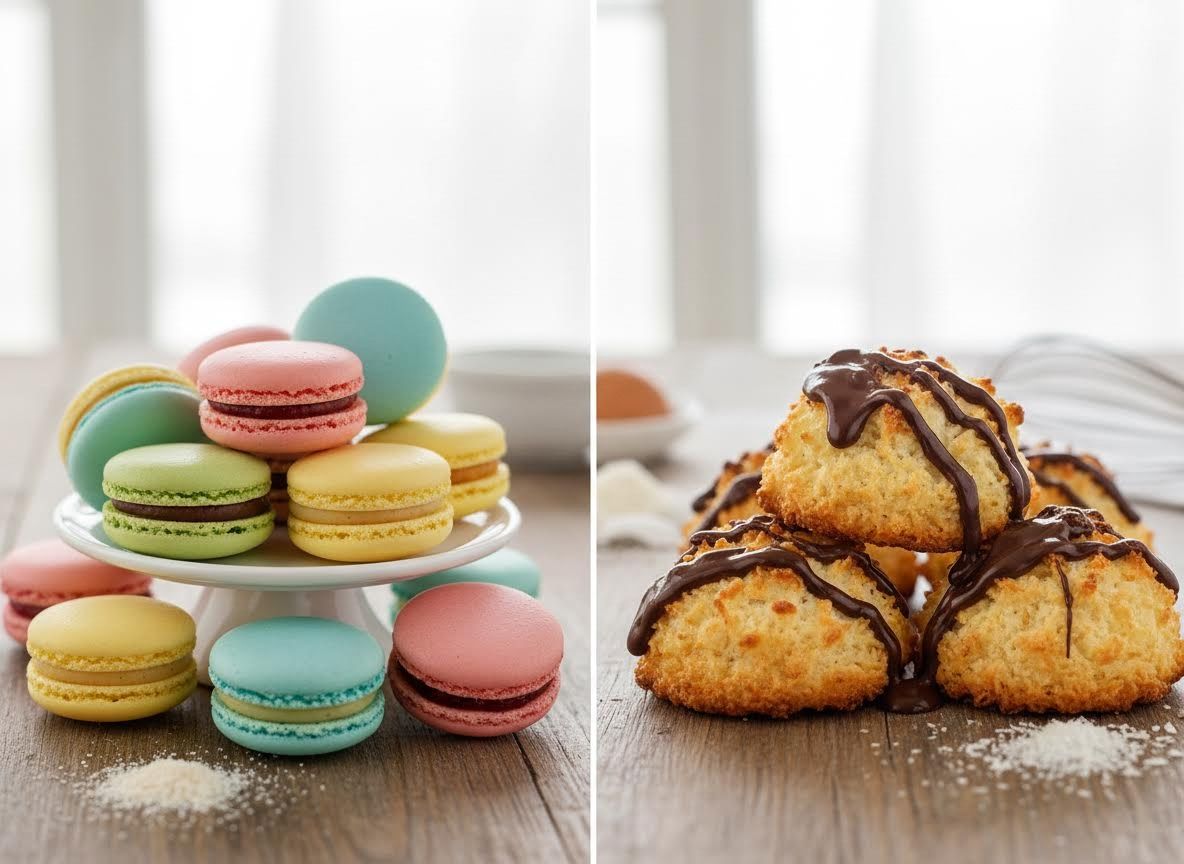
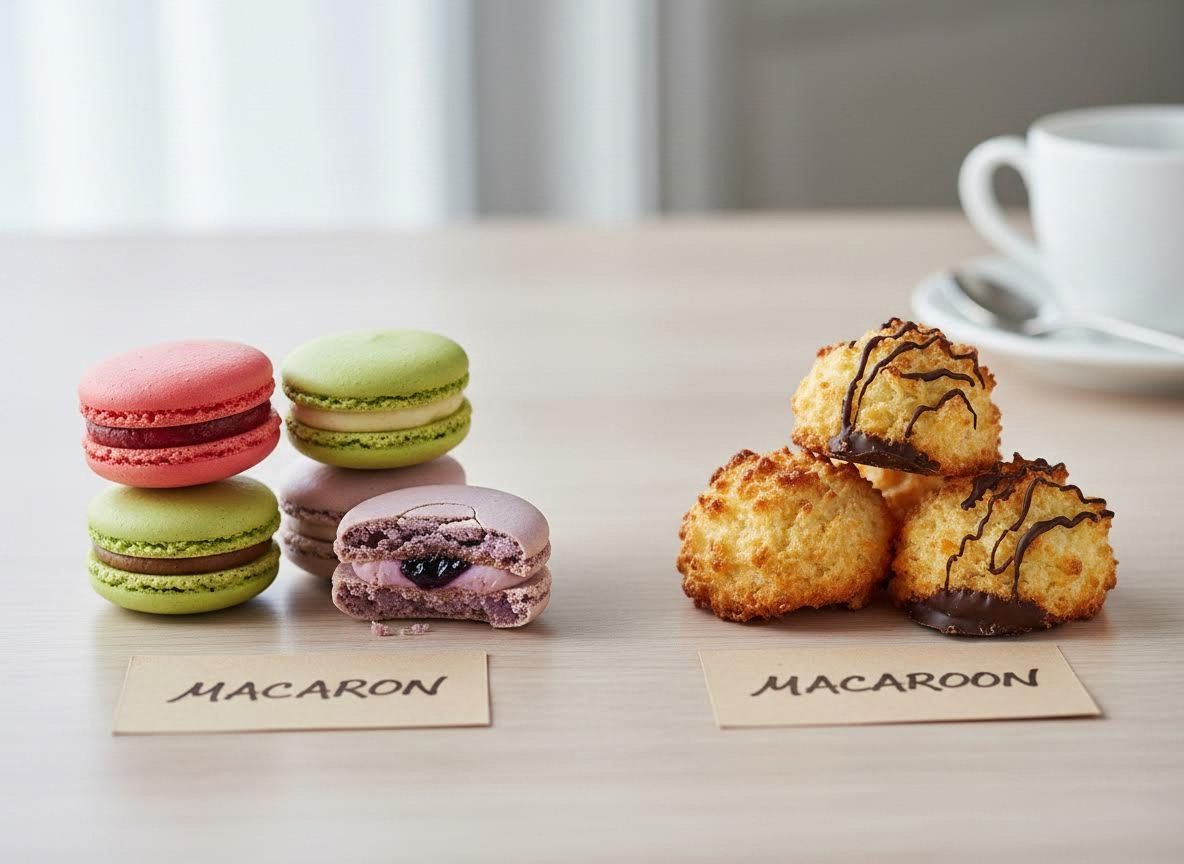
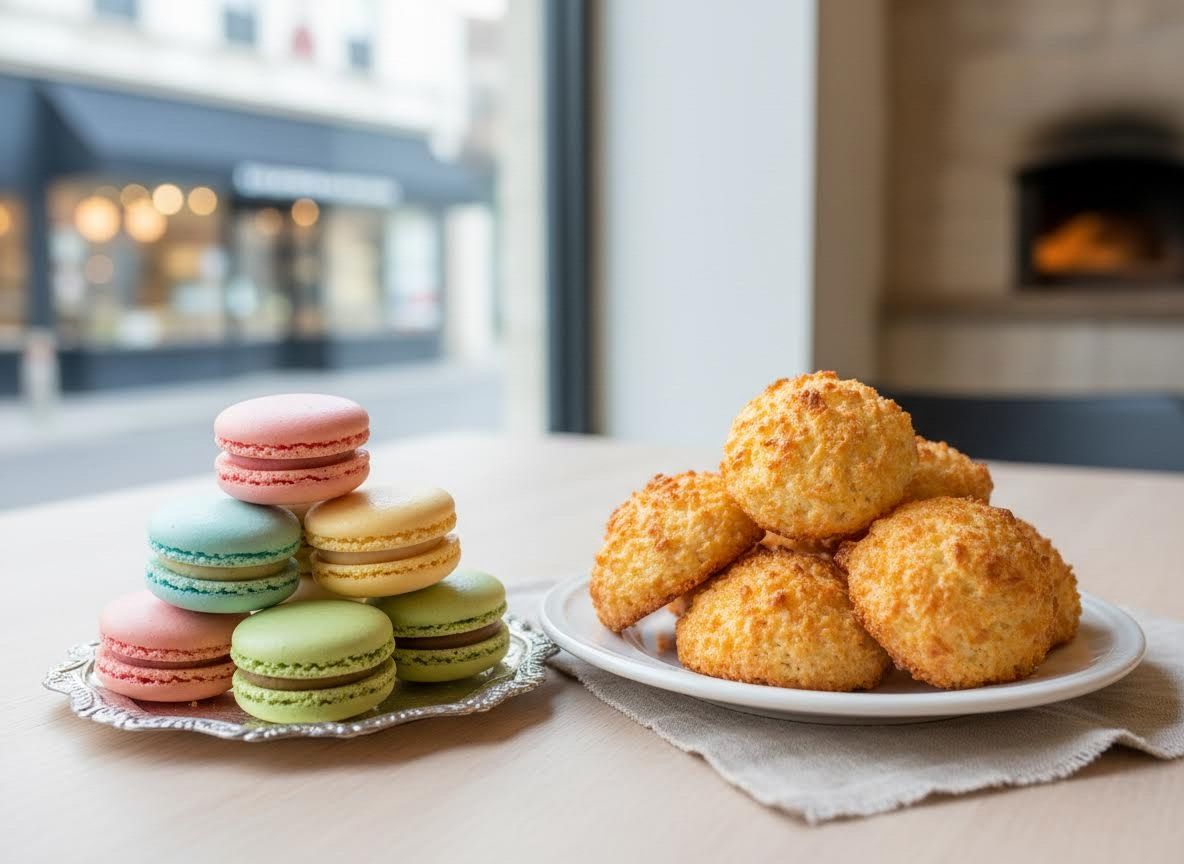
The macaron, pronounced "mah-kah-ROHN," is a delicate French meringue-based confection characterized by its smooth, crisp outer shell and a soft, chewy interior. It's typically made with finely ground almond flour, egg whites, and sugar, creating two halves that sandwich a rich filling. This filling can be ganache, buttercream, or fruit jam, contributing to an incredible array of flavor combinations. True macarons are known for their distinct "feet" – a ruffled edge at the base of the cookie – which is a hallmark of proper baking technique. Their elegant appearance and sophisticated flavors make them a popular choice for special occasions and a staple in fine patisseries.
The Chewy Macaroon
On the other side, the macaroon, pronounced "mah-kah-ROON," is a distinctly different treat. These dense, often rustic cookies are made primarily from shredded coconut, egg whites, and sugar, sometimes with a touch of vanilla or almond extract. Unlike their French counterparts, macaroons typically don't have a filling, though they are frequently dipped in or drizzled with chocolate for added richness. Their texture is chewy and moist, offering a more robust and straightforward coconut flavor. Macaroons have a longer history, with variations found in Jewish and Italian baking traditions, often appearing during holidays like Passover.
Key Differences in Detail
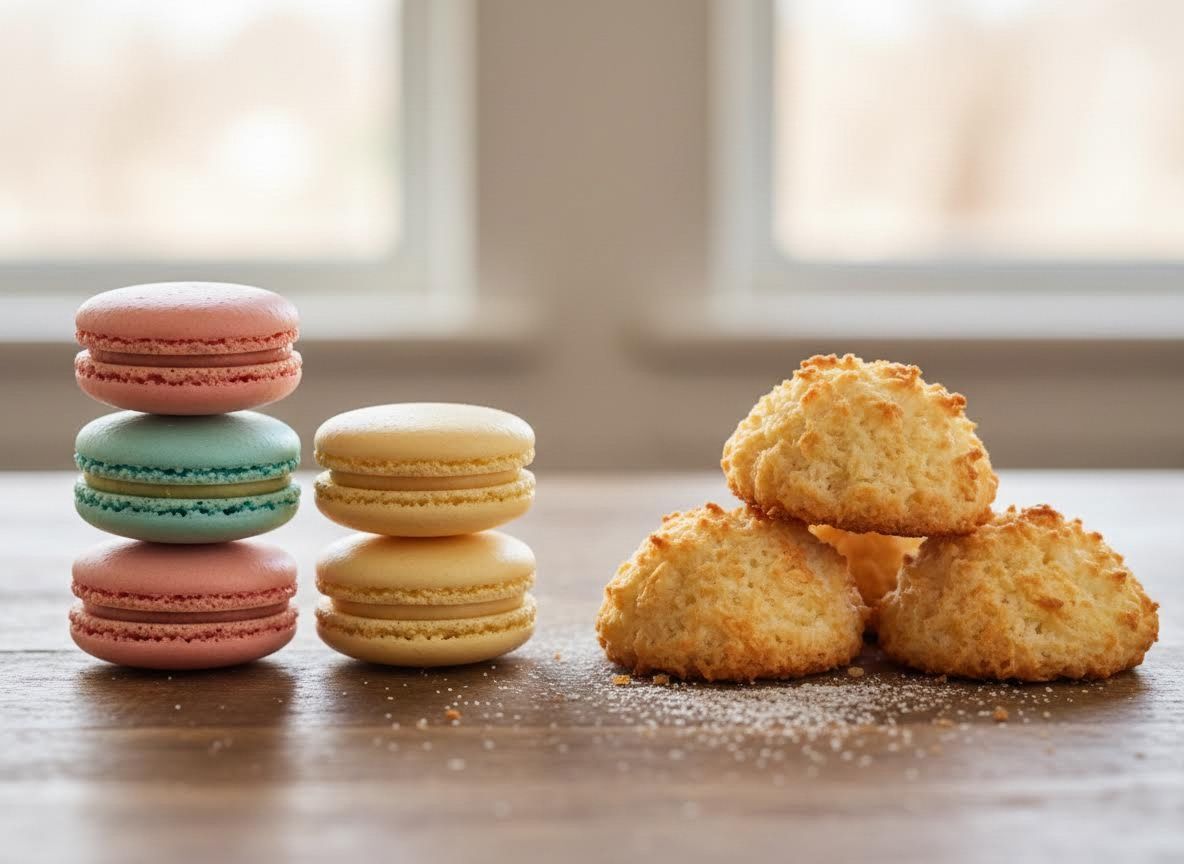
The primary distinctions between macarons and macaroons lie in their ingredients, appearance, and texture. Macarons rely on almond flour for their structure, resulting in a smooth, delicate shell, while macaroons use shredded coconut, giving them a coarser, chewier consistency. Visually, macarons are perfectly circular and often brightly colored, featuring their signature "feet." Macaroons, conversely, tend to have a more irregular, mounded or dome-like shape and a textured, golden-brown exterior. Flavor-wise, macarons offer a vast spectrum of sophisticated and often subtle combinations due to their fillings, whereas macaroons are predominantly characterized by their sweet, rich coconut taste.
Culinary Origins and Evolution
While both treats have roots in Italian meringue-making, their culinary paths diverged significantly. The macaron evolved in France, becoming the refined, colorful sandwich cookie we know today, especially popularized in the 20th century by Parisian patisseries. Its delicate nature and precise preparation make it a symbol of French confectionery artistry. The macaroon, in contrast, maintained its simpler, more accessible form, finding a particularly strong foothold in various European and American baking traditions. Its adaptability and use of readily available ingredients contributed to its widespread appeal as a comforting, home-style cookie.
Now that you know the difference, it's time to taste it for yourself! At Many Macarons Bakery, we specialize in authentic, gluten-free French macarons with perfectly smooth shells and decadent fillings. Whether you're looking for an everyday treat or elegant cookies for parties, we have the perfect sweet for you.